Crucial Auto Repair Suggestions Every Car Owner Should Know
Comprehending crucial auto repair tips is vital for all car owners. Regular maintenance can prevent costly issues down the road. Fundamental skills, like changing a tire or jump-starting a battery, can equip drivers in emergency situations. However, knowing when to seek professional support is equally important. As vehicle technology develops, so too do the challenges that come with it. What are the key methods that can truly make a change in automotive care?
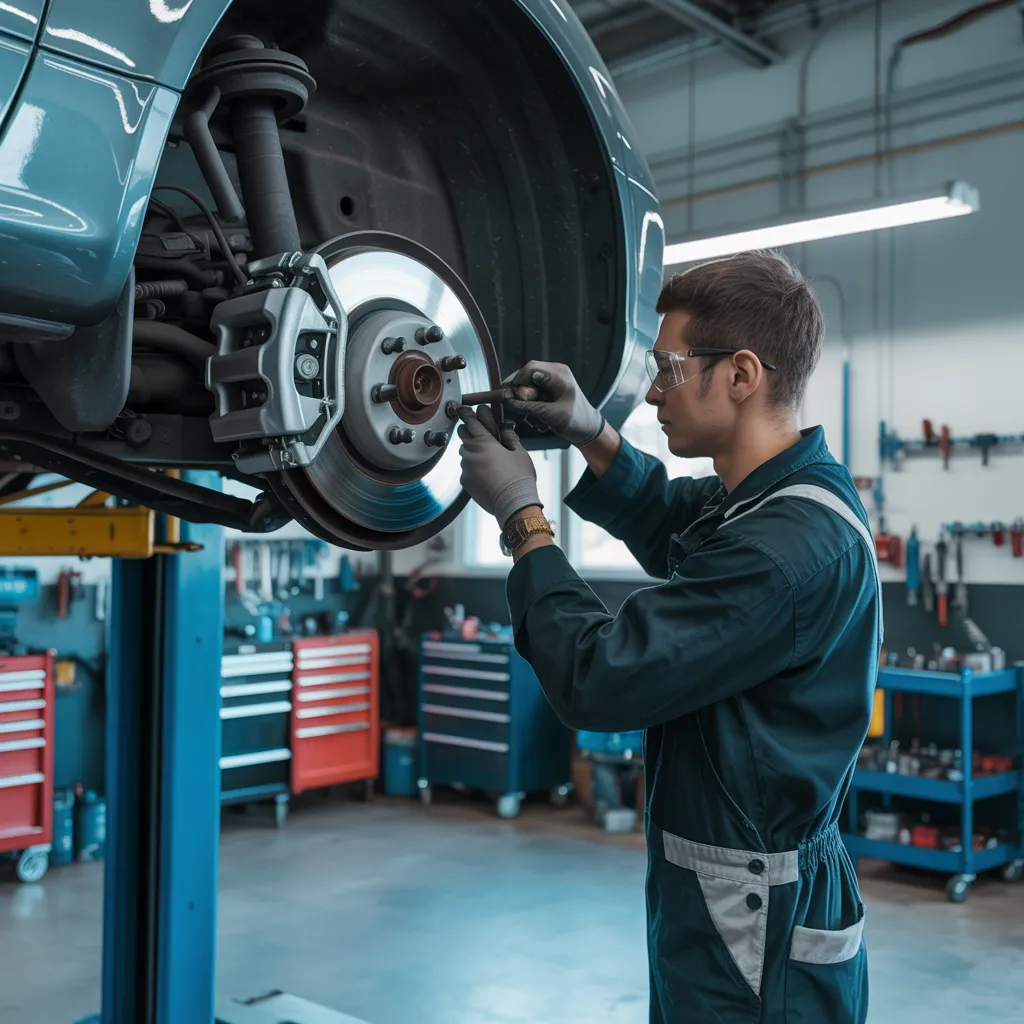
Grasping Basic Car Maintenance
Understanding essential automobile maintenance is essential for all vehicle owner, as it can prevent expensive repairs and increase the lifespan of the automobile. Consistent maintenance ensures that essential components work effectively, minimizing the likelihood of breakdowns. Key tasks include checking and changing oil, inspecting tire pressure, and replacing air filters. Monitoring fluid levels—such as coolant and brake fluid—also plays a crucial role in maintaining vehicle performance.
Additionally, understanding the importance of brake maintenance and battery care can further enhance vehicle safety and dependability. Owners should get to know their vehicle's manual to adhere to manufacturer recommendations for service intervals. Tracking a maintenance log assists in document repairs and can serve as a helpful reference during resale. By prioritizing these basic practices, vehicle owners can foster a proactive attitude toward car care, consequently leading to a better driving experience and greater peace of mind.
Quick Fixes for Frequent Auto Repair Issues
Several car owners encounter common auto repair concerns that can frequently be addressed with simple solutions. For instance, a dead battery is a typical problem. Jump-starting the automobile with jumper cables can restore power, permitting the owner to drive to a service center for a replacement if required. In the same way, flat tires can often be mended with a tire patch kit or by using an air compressor to reinflate.
Another easy fix entails replacing burnt-out headlights or taillights, which can generally be performed with minimal tools. Owners should also check their fuses if electrical components fail; a blown fuse can be replaced without difficulty. In addition, squeaky brakes may gain from a quick cleaning of brake dust or a simple adjustment. These straightforward solutions can conserve money and time, permitting vehicle owners to address minor problems before they turn into more serious problems.
Carrying Out Successful Regular Inspections
Regular inspections are crucial for preserving a vehicle's longevity and performance. Automobile owners must prioritize inspecting essential parts such as brakes, fluids, and tires. Monitoring transmission fluid, oil levels, and coolant helps ensure the engine performs optimally and prevents expensive maintenance. Tire pressure and tread depth should be checked to improve safety and gas mileage.
Brakes must be evaluated for responsiveness and wear; strange noises or vibrations need immediate inspection. In addition, lights and windshield wipers should be checked regularly to preserve visibility and safe operation.
Routine checks not only avoid unexpected breakdowns but also prolong the vehicle's lifespan. Creating a schedule, such as monthly or quarterly inspections, can help motorists stay proactive. By implementing these practices into their routine, vehicle owners can guarantee a reliable driving experience while potentially saving money on repairs and maintenance in the long run.
Important Supplies for Every Car Owner
Every car owner should equip themselves with essential tools to handle basic maintenance and repairs effectively. A robust mechanic's toolkit, containing wrenches, pliers, and screwdrivers, creates the basis for every repair job. A jack along with jack stands are vital for securely raising the automobile, whereas a tire pressure gauge secures adequate tire maintenance.
In addition, an oil filter wrench and a funnel are crucial for oil changes. A multimeter can assist in diagnosing electrical problems, while a flashlight is vital for lighting up obscured areas during repairs.
Basic safety accessories, such as gloves and safety goggles, cannot be forgotten. Additionally, a complete vehicle manual provides guidance on specific maintenance tasks. By having these tools readily available, car owners can confidently handle minor issues, ultimately saving both time and money while guaranteeing their vehicle remains in excellent condition.
Recognizing When to Reach Out to a Mechanic?
How can a car owner discern when a repair exceeds their skill level? Identifying one's skill limitations is important for appropriate automotive care. If a vehicle exhibits persistent issues that resist DIY solutions, it may be time to consult a mechanic. Unusual noises, dashboard warning lights, or fluid leaks often indicate problems that require professional assessment. Additionally, if a repair involves complex systems like the transmission or electrical components, a trained technician's insight becomes critical.
Automobile owners should additionally assess their comfort level. If a repair feels overwhelming or if tools and space are not sufficient, obtaining professional help is sensible. Furthermore, time constraints may demand outsourcing a repair to guarantee safety and reliability. Eventually, knowing when to call a mechanic can save both time and money, avoiding minor issues from escalating into major, costly repairs.
5 Proven Tips to Extend Your Car's Lifespan
To prolong a car's lifespan, adhering to a regular maintenance schedule is essential. Moreover, using premium parts can significantly improve both performance and durability. Implementing these strategies can lead to fewer repairs and a more reliable vehicle over time.
Periodic Maintenance Schedule
While many car owners underestimate the significance of a regular maintenance schedule, following a systematic plan can considerably extend a vehicle's lifespan. A well-structured maintenance routine includes important tasks such as oil changes, tire rotations, and brake inspections. These actions avoid minor issues from escalating into costly repairs. Additionally, following the manufacturer's guidelines for service intervals verifies that all components function at their best. Regularly checking fluid levels, filters, and belts is essential, as neglect can lead to engine strain and reduced efficiency. Furthermore, scheduling seasonal inspections helps prepare the vehicle for changing weather conditions, enhancing safety and performance. In essence, a commitment to regular maintenance not only preserves a car's reliability but also maximizes its resale value over time.
Quality Component Usage
Utilizing premium parts is a essential element of vehicle maintenance that can greatly extend a car's longevity. When car owners opt for genuine or high-quality aftermarket components, they help secure peak performance and reliability. Inferior parts may reduce money initially but can lead to premature wear, increased repairs, and safety hazards. It is essential to consult the vehicle's manual for specifications and to source parts from reliable suppliers. Moreover, professional installation of these components can prevent further issues and support better functionality. Routinely replacing deteriorated parts with quality alternatives not only protects the vehicle's integrity but also contributes to a smoother driving experience. Ultimately, investing in quality parts is a prudent decision for any car owner focused on their vehicle's health.
Crisis Preparation: Steps to Follow When Crisis Emerges
When sudden car difficulties appear, readiness can be crucial. Vital components in an emergency preparedness kit, along with trustworthy roadside help options, are crucial for all motorists. Understanding these components helps secure security and confidence during challenging situations.
Essential Emergency Kit Items
Emergency kits function as vital safety resources for drivers encountering unexpected car troubles. Critical elements ought to include a spare tire, jack, and lug wrench to deal with flat tires efficiently. A first aid kit is essential for handling minor injuries. In addition, jumper cables can assist in restarting a dead battery, while a flashlight ensures visibility during nighttime emergencies. Shelf-stable snacks and bottled water are crucial for remaining hydrated and nourished during extended delays. A multi-tool can support completing various tasks, and a blanket offers warmth in cold conditions. Lastly, including a basic toolkit can aid in fixing minor mechanical issues. By compiling these essentials, drivers can significantly improve their preparedness for roadside emergencies.
Emergency Road Service Resources
Being prepared for roadside emergencies extends beyond having an emergency kit; being aware of the right resources for roadside assistance is equally essential. Each driver should familiarize themselves with available services, which can extend from insurance providers offering roadside assistance to specialized companies like AAA. Many mobile apps also deliver quick access to help, enabling users to request vehicle towing, fuel delivery, or tire changes with just a few taps. Furthermore, local law enforcement or highway patrol can help in emergencies. It's crucial for car owners to keep their insurance information and copyright numbers easily accessible, guaranteeing swift action when trouble arises. Being informed of these resources can considerably reduce stress and improve safety during unexpected roadside events.
Popular Questions
What's the Recommended Frequency for Tire Rotation?
Tires need to be rotated roughly every 5,000 to 7,500 miles, or as advised by the vehicle manufacturer. Regular rotation promotes even tire wear, maximizing their lifespan and boosting overall vehicle performance and safety.
What Are Indicators of a Failing Battery?
Signs of a failing battery include dimming headlights, slow engine crank, illuminated dashboard alerts, and corroded battery connections. Requiring multiple jump-starts and electrical issues may also show that the battery is reaching its service limit.
How Do I Get Better Gas Mileage?
Enhancing gas mileage can be accomplished by keeping proper tire pressure, following regular engine maintenance, removing excess weight from the vehicle, avoiding aggressive driving, and using cruise control on highways for maximum efficiency.
What Fluids Should I Check on a Regular Basis?
Consistently monitoring engine oil, coolant, brake fluid, transmission fluid, pertinent details power steering fluid, and windshield washer fluid is necessary. Managing these fluids ensures top vehicle performance and longevity, minimizing the risk of costly repairs and breakdowns.
How Should I Pick the Right Mechanic?
To choose the right mechanic, one should explore local options, read reviews, check certifications, and seek recommendations. Direct communication and estimates can also reveal professional standards and openness, ensuring a dependable choice for vehicle maintenance.